It's Ok to Not Be Ok
Growing up, I always heard that I could not cry because I had to be a “Man,” or that I could not cry anymore because my 10-year-old self was too old. Not surprisingly, many men across the globe have heard the same message, “You have to man up.” As a result, young men are not able to learn skills to deal with anxiety, insecurity, and self-hatred; instead, they have to conform to society’s toxic standard of how men should act.
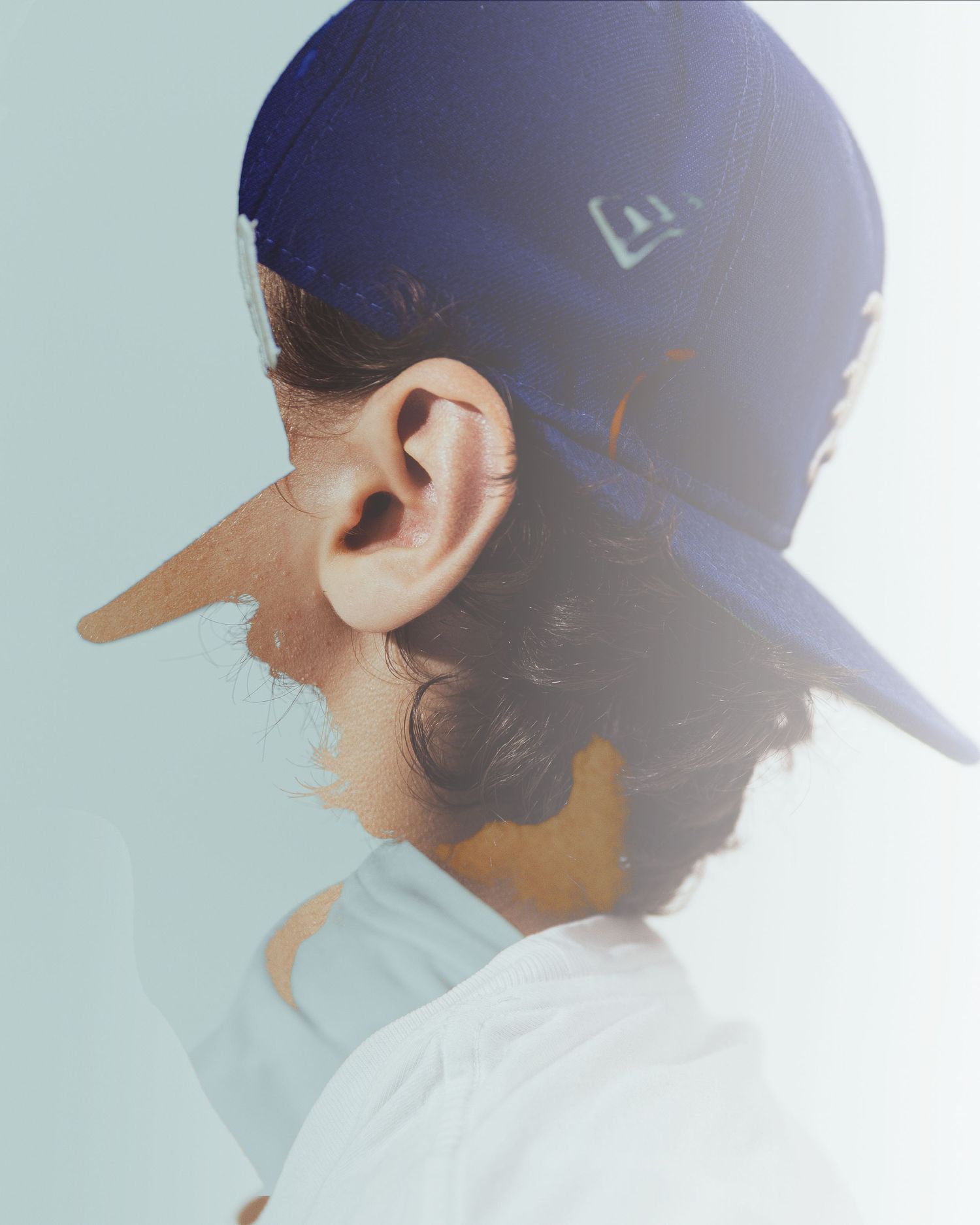
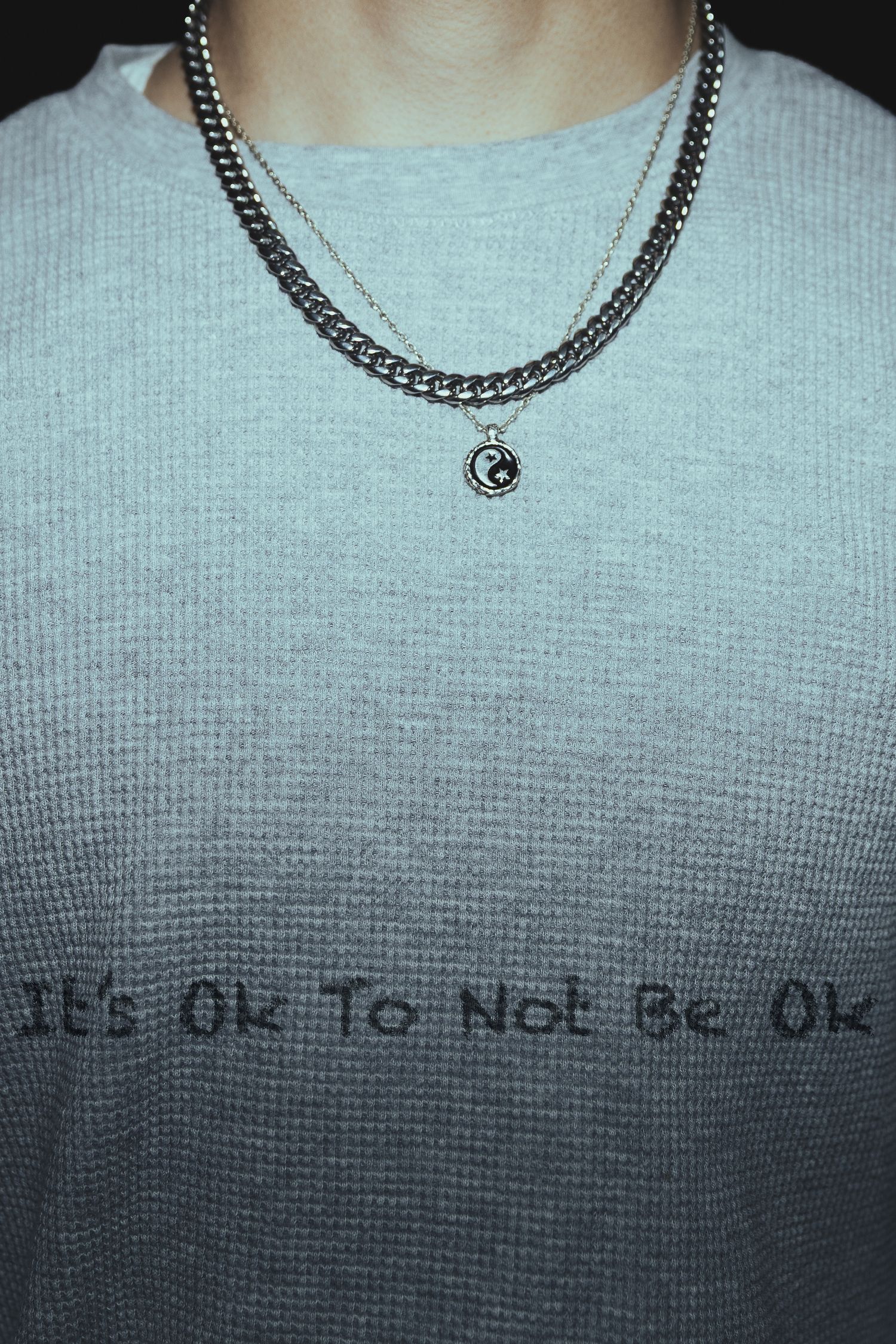
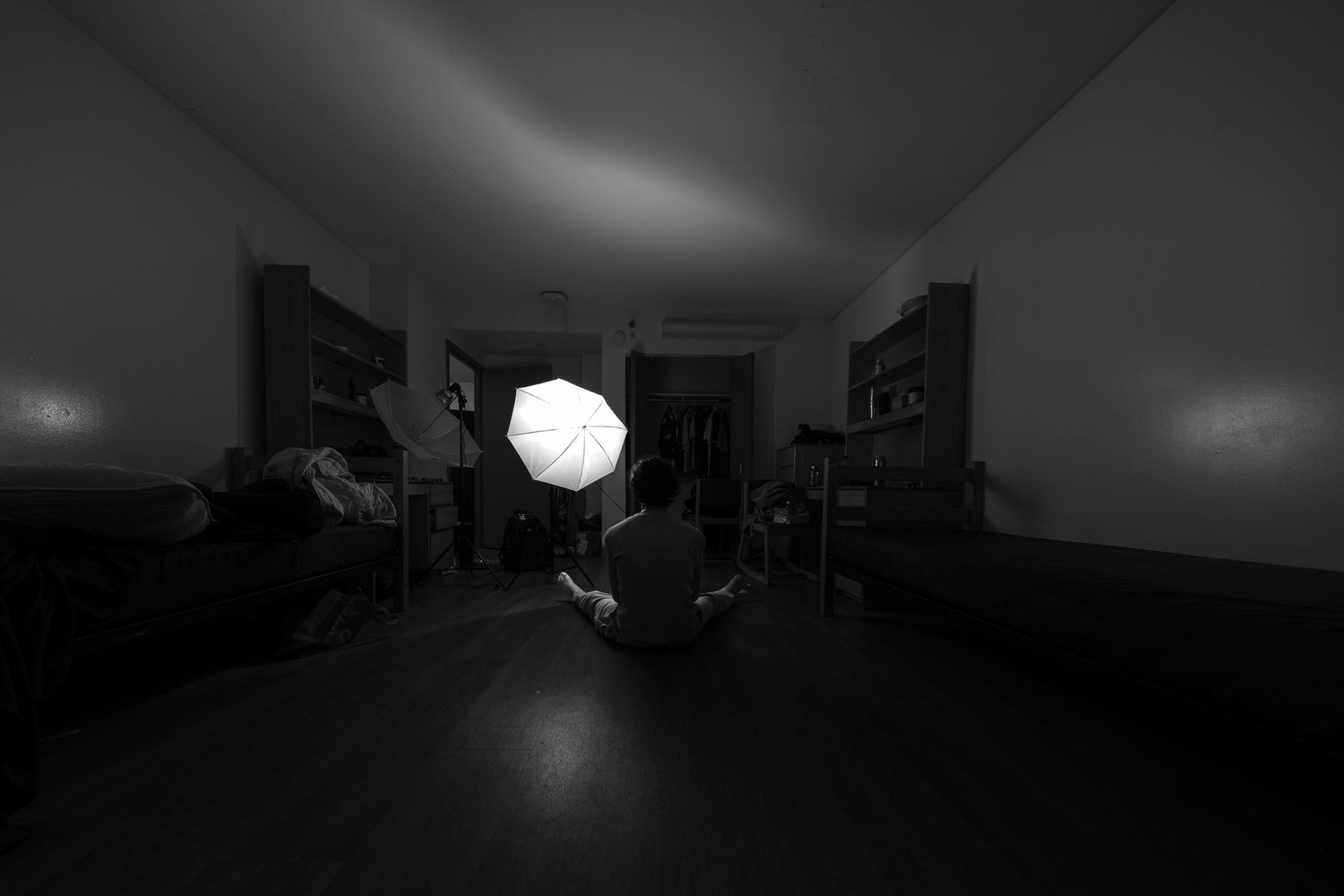
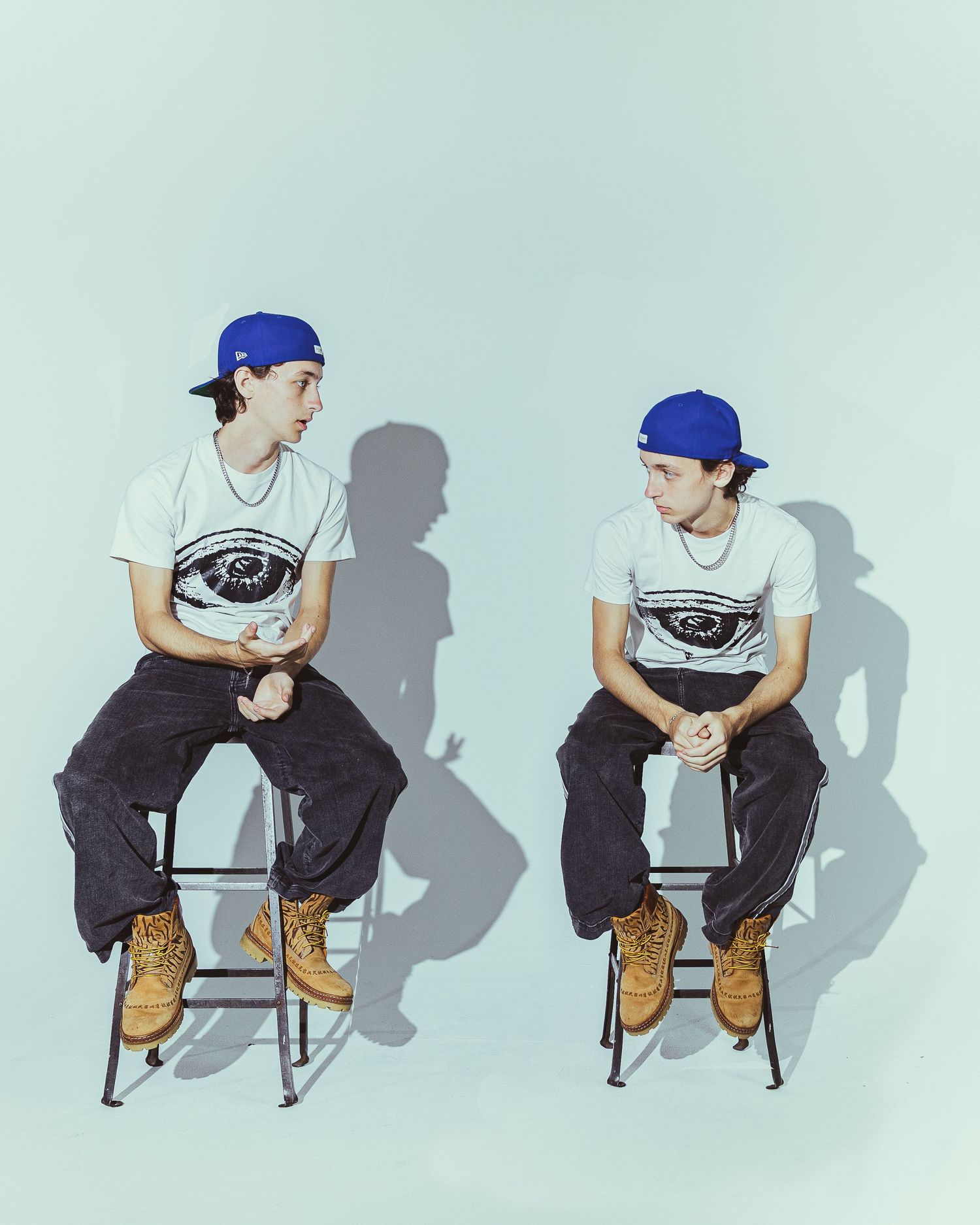
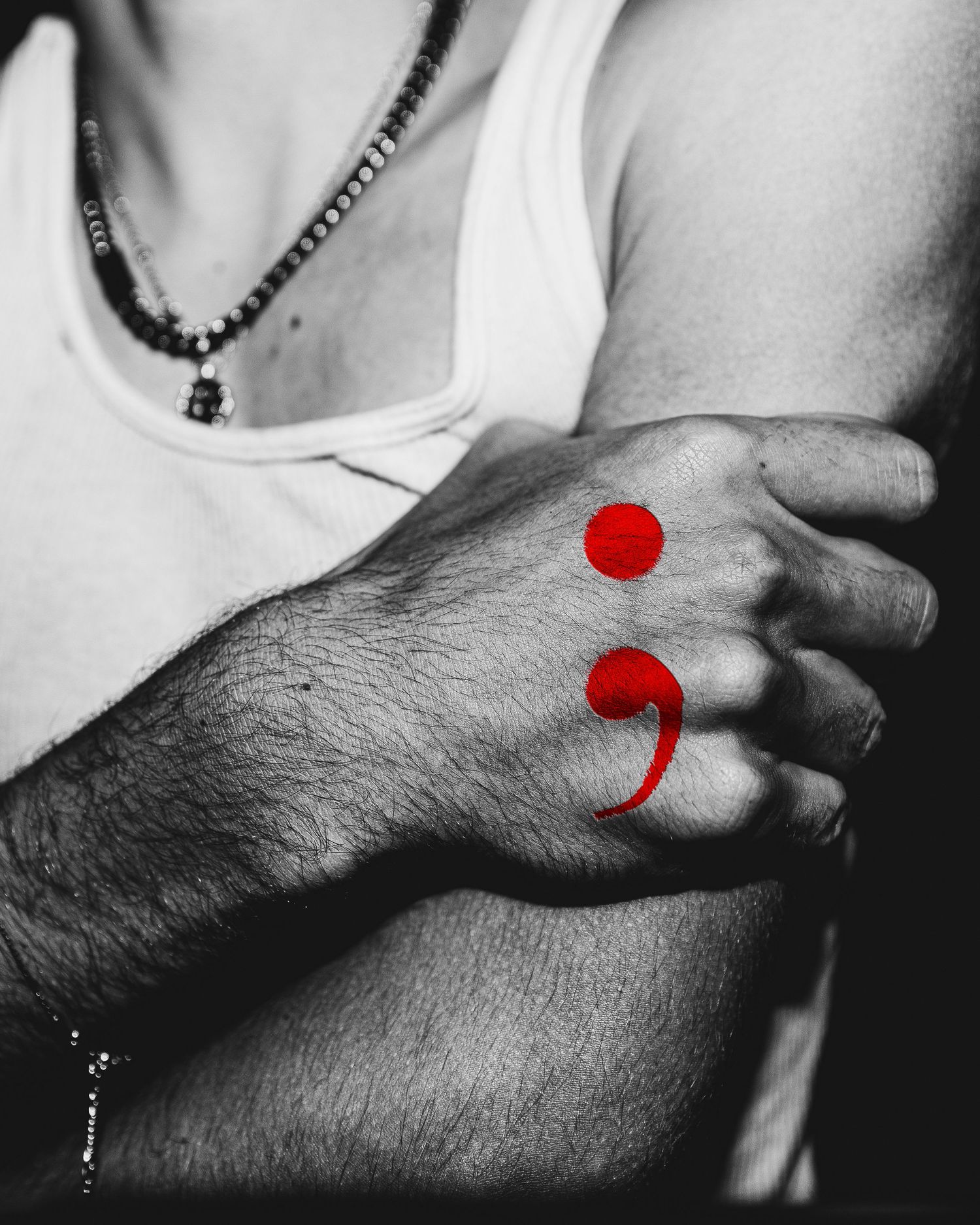
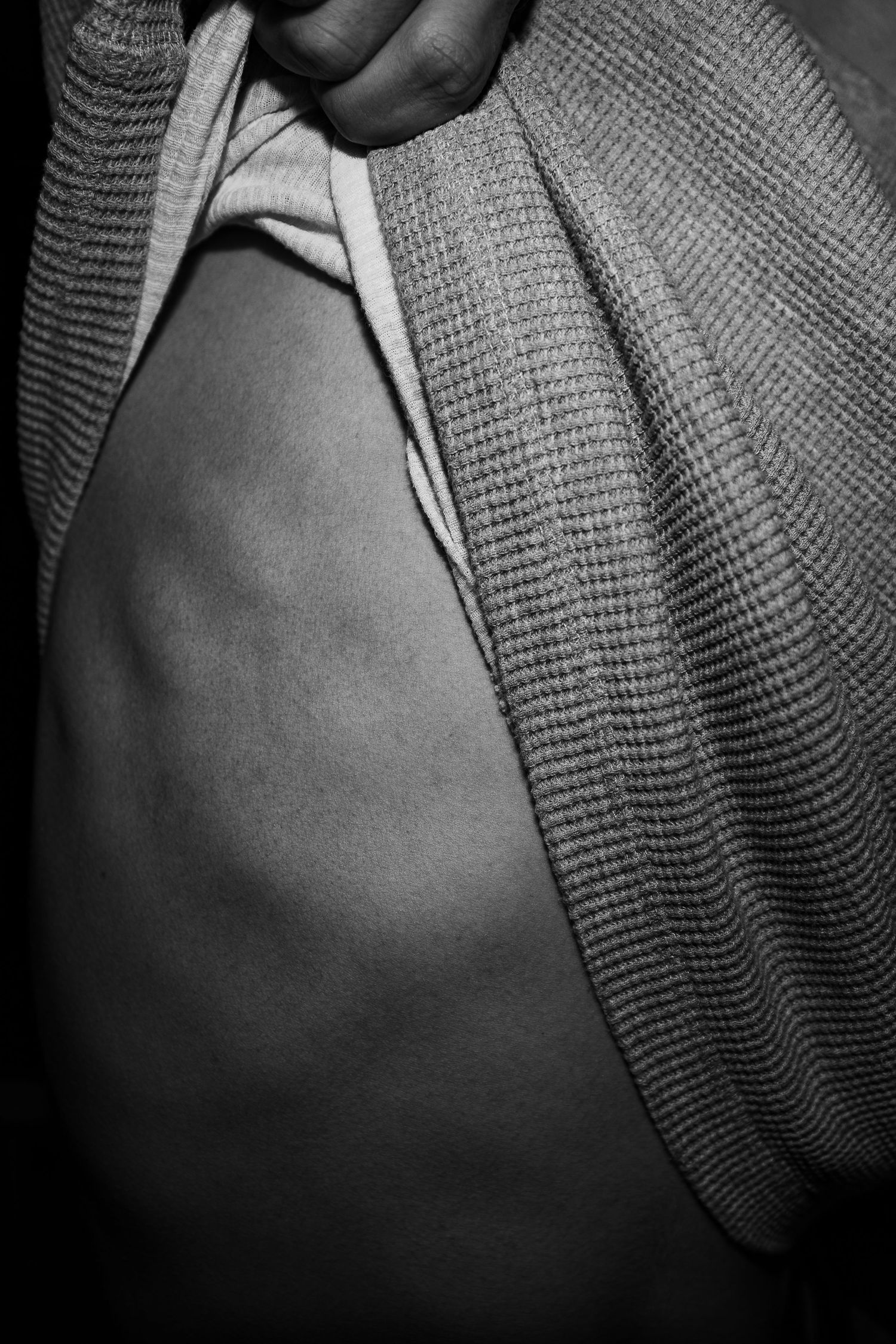
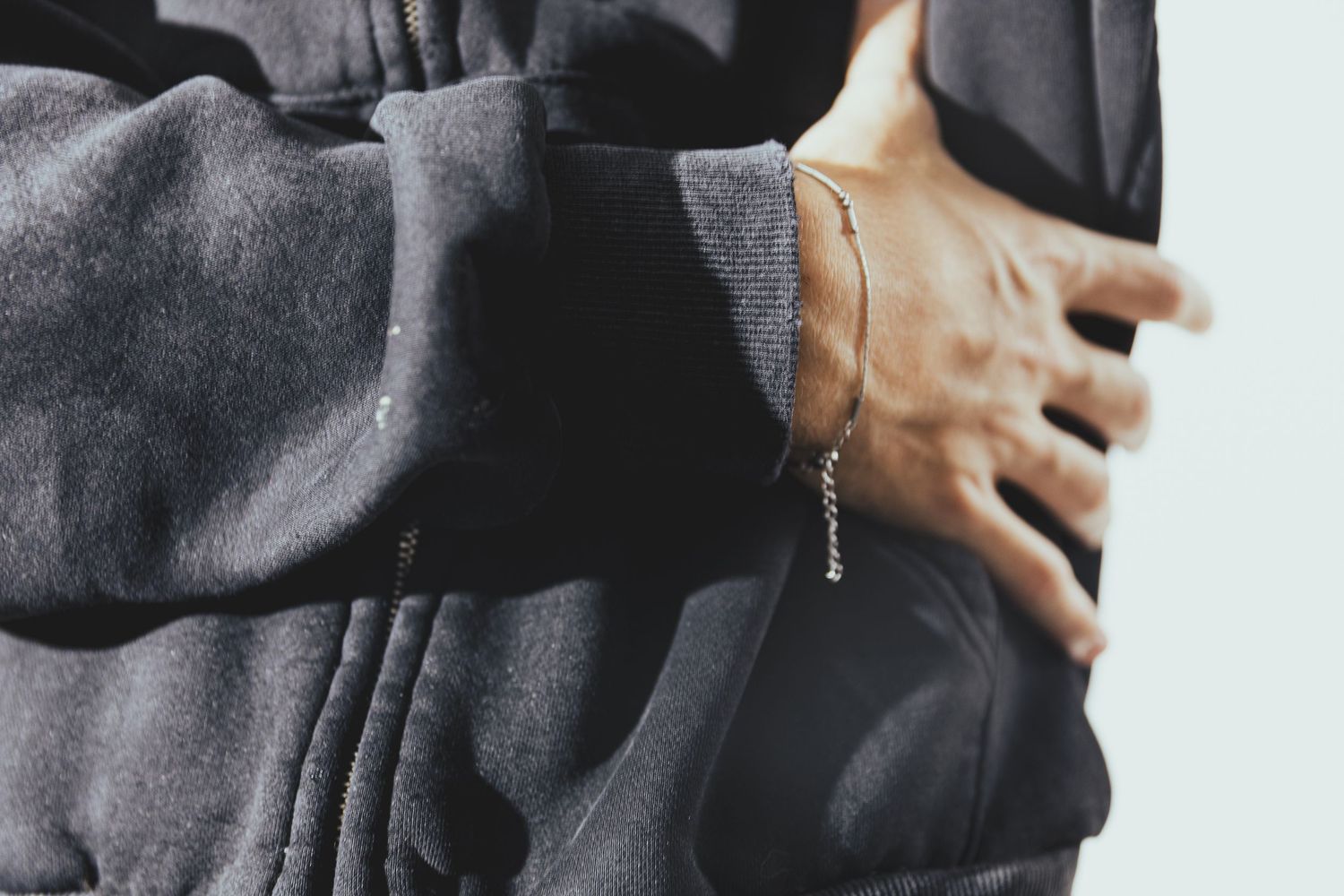
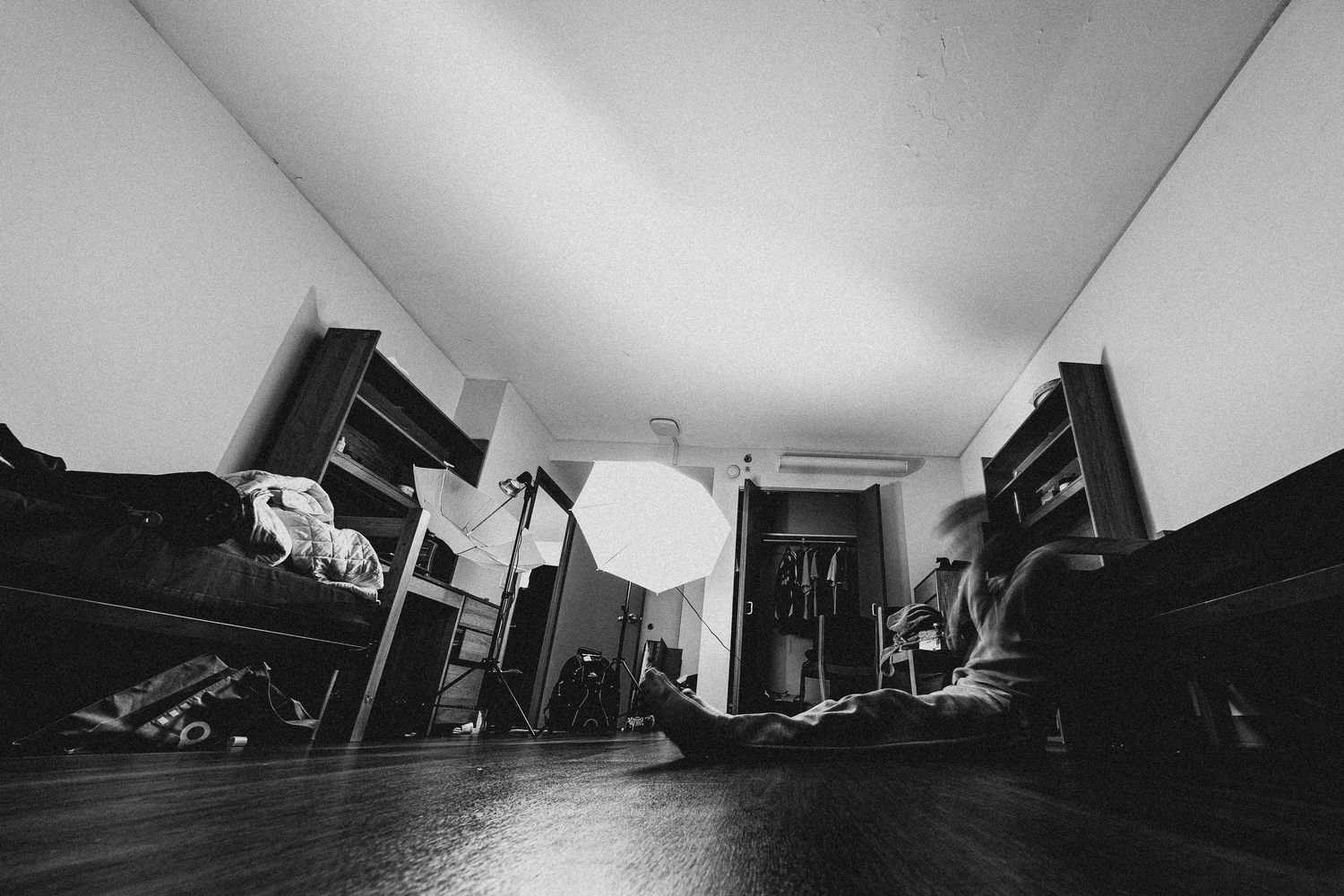
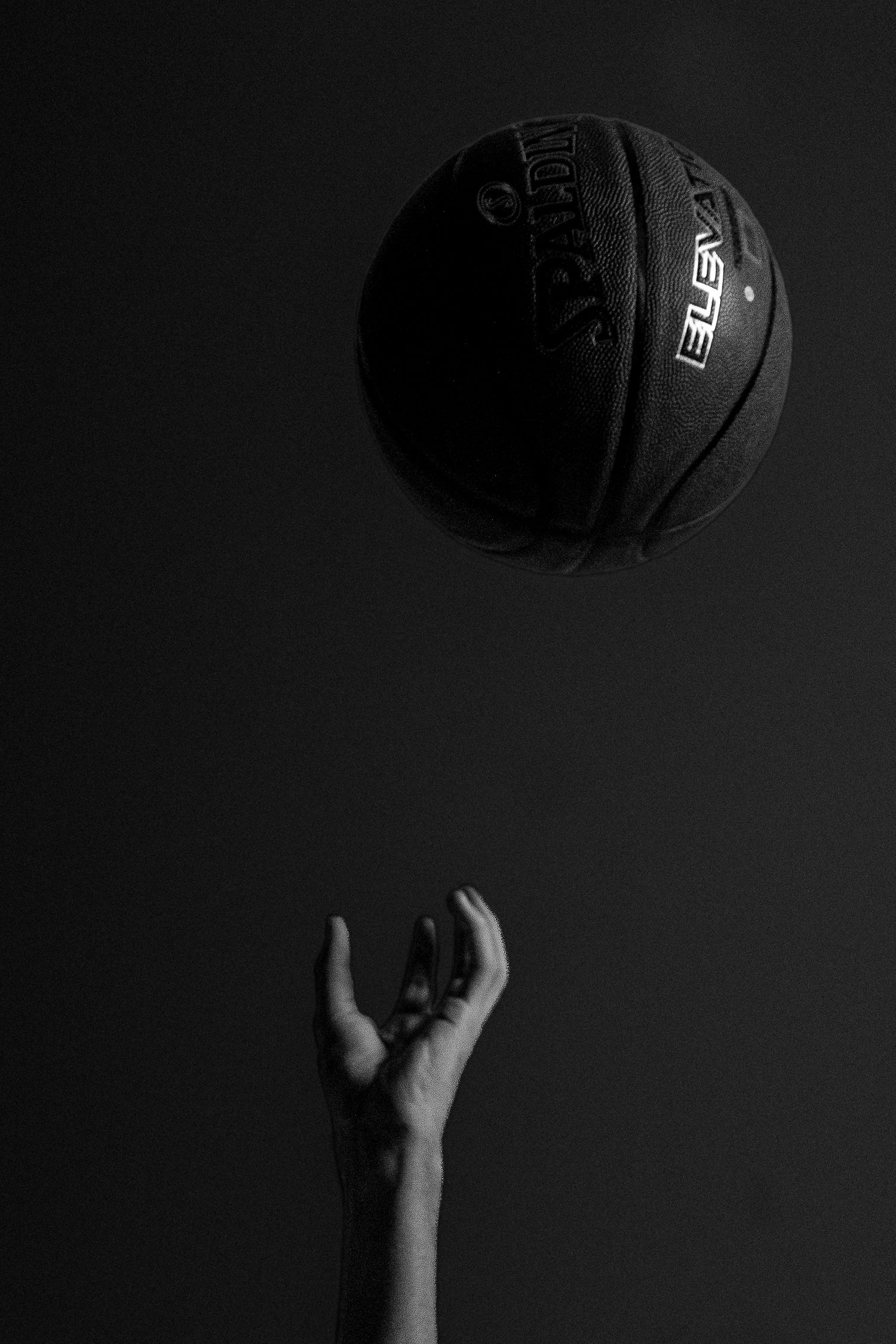
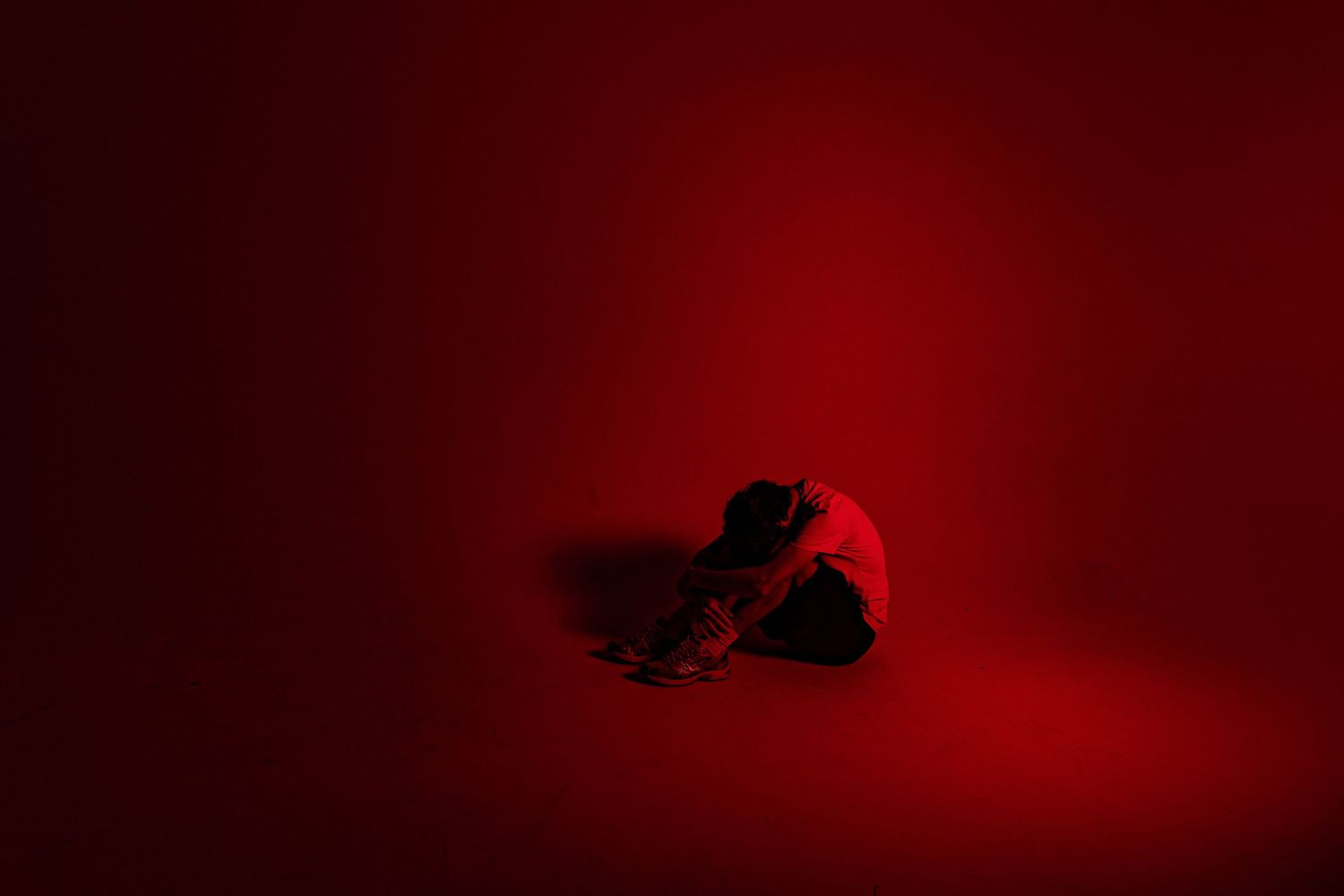
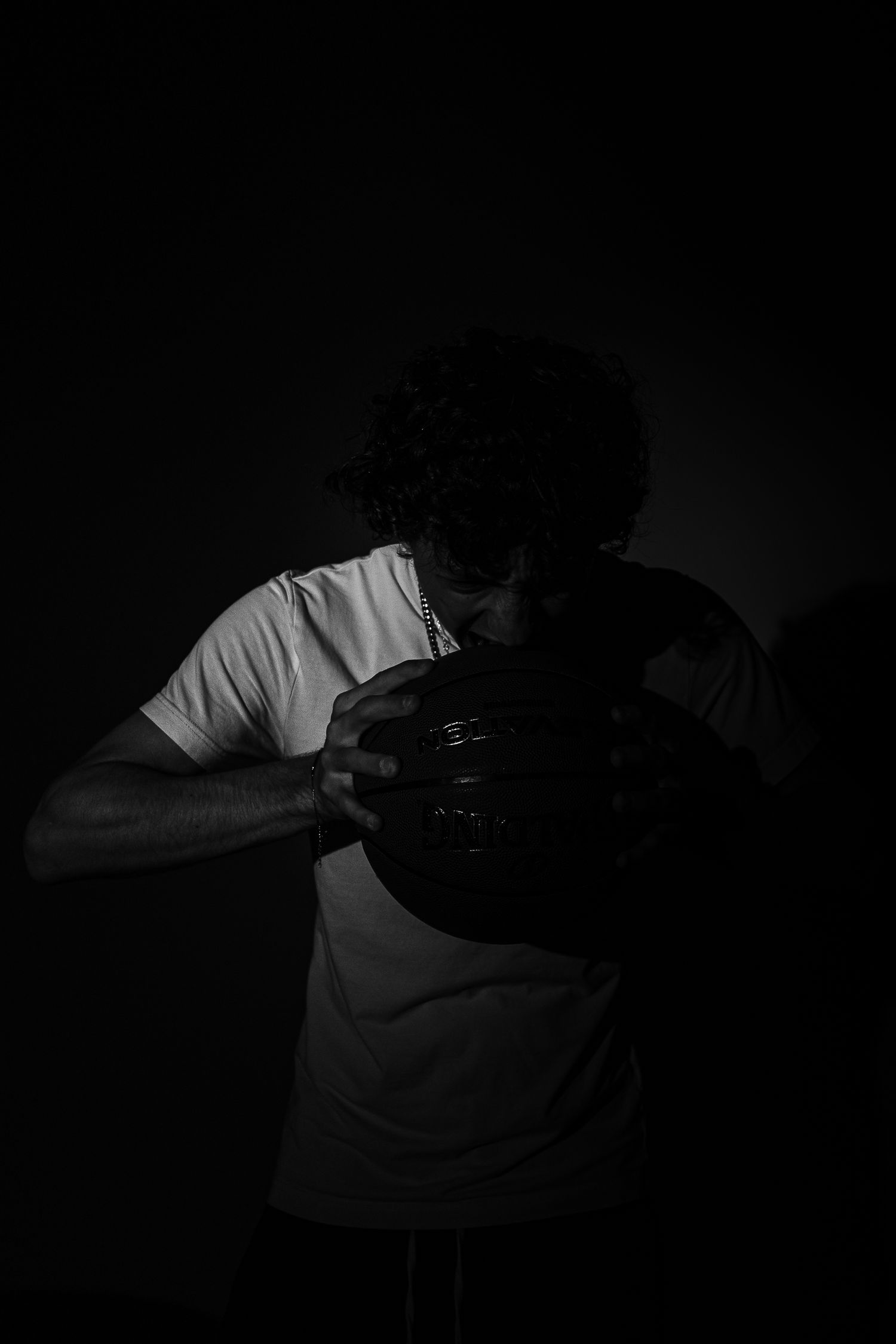
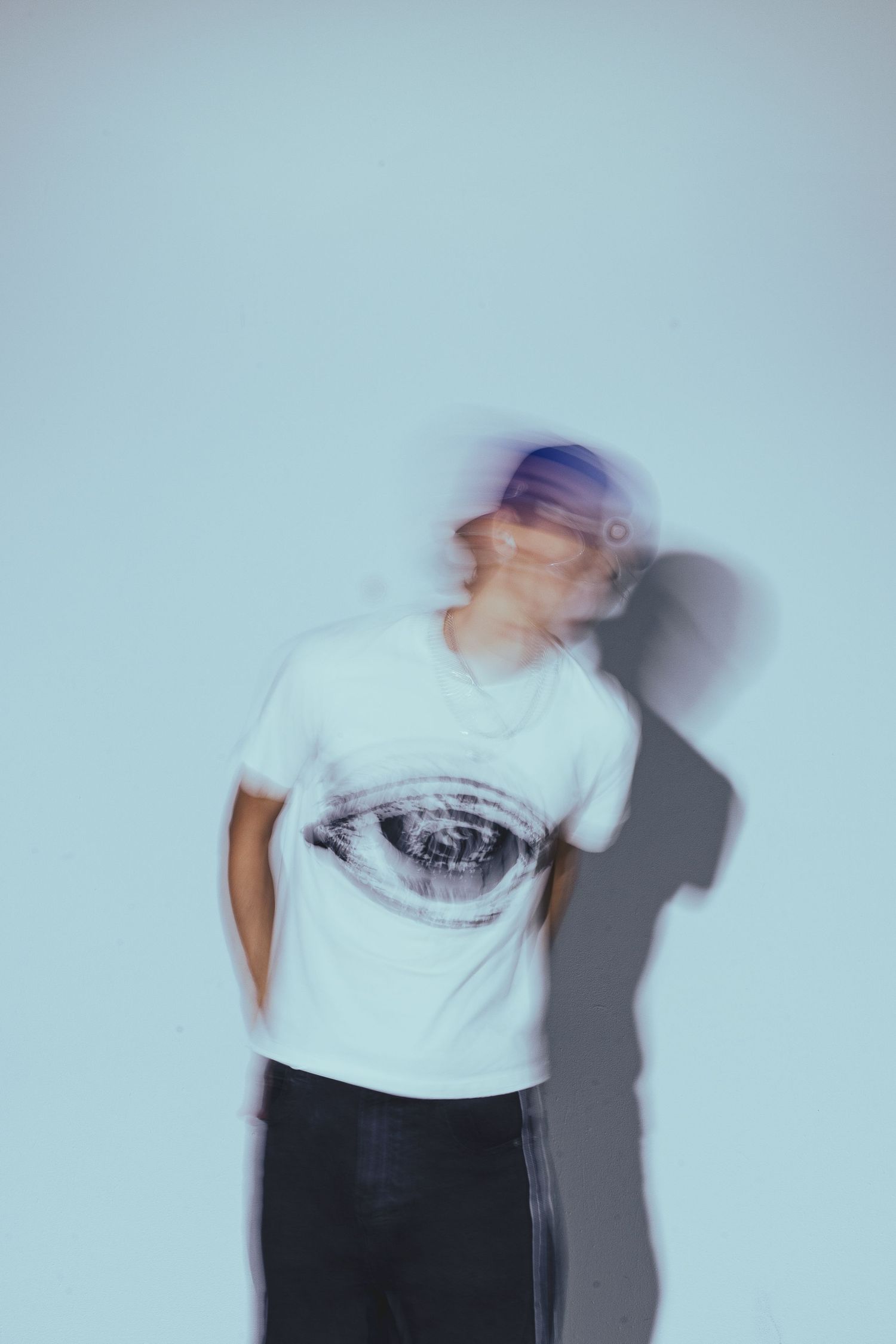
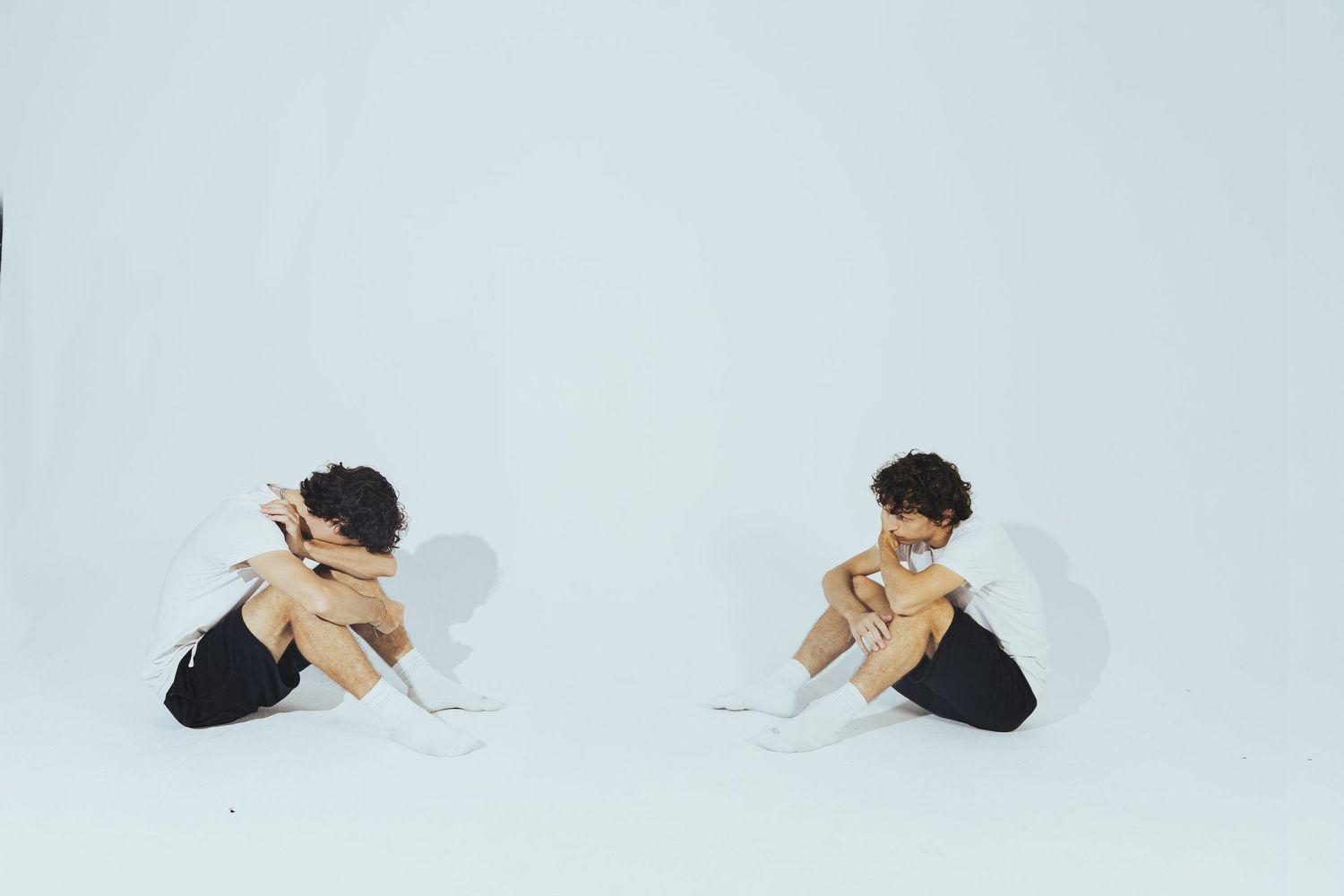
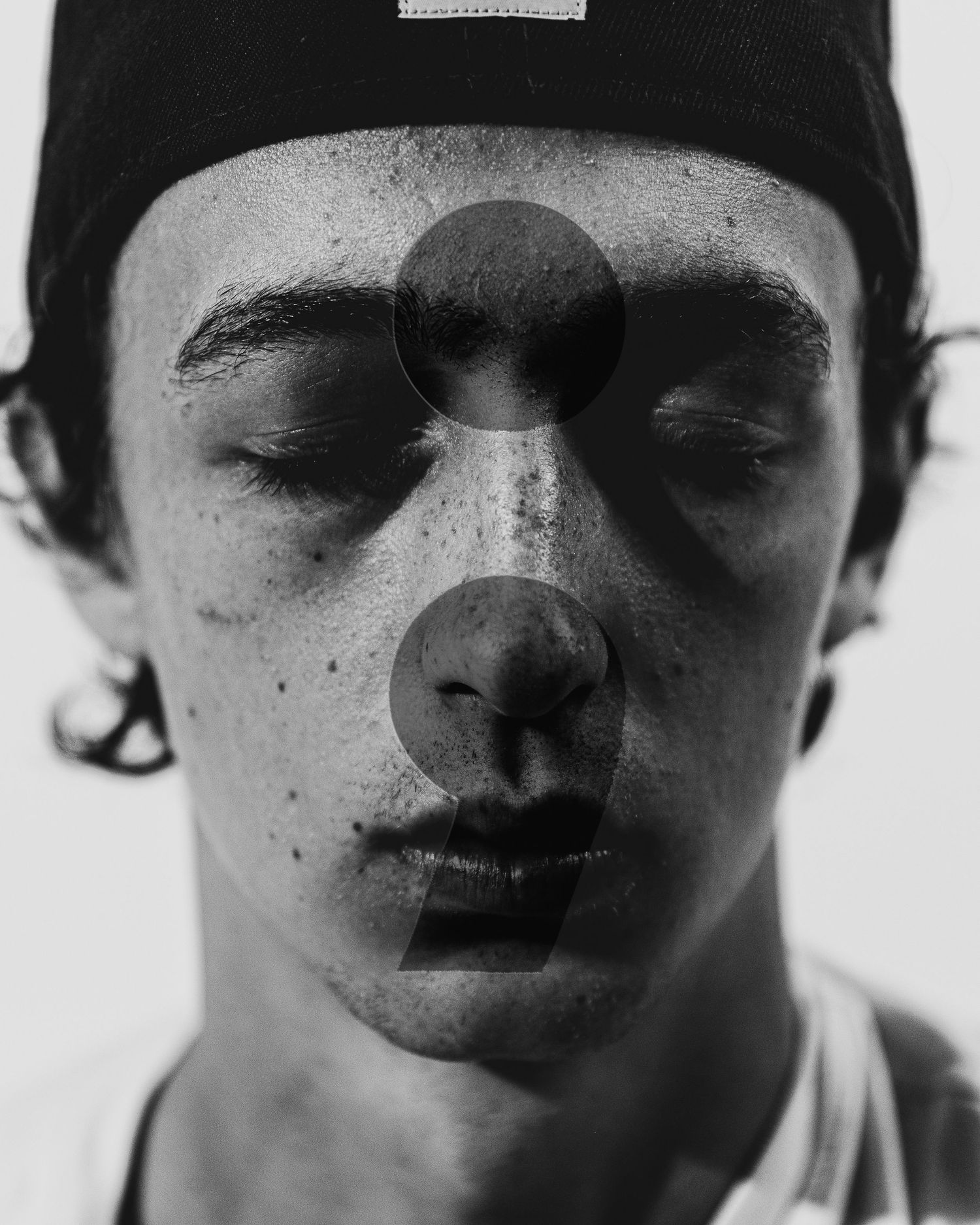
When experiencing angst, young men do not seek help from friends, family, or therapists—often, stemming from the pressure to conform. Although when men do seek help, it is hard to explain what they are experiencing. With my project, I am to show what mental health can look like as a young man. By using symbols such as a basketball, a semicolon, and the mantra, “It’s ok to not be ok.” I explore themes such as body dysmorphia, isolation, and pressure, all of which are very common in young adults in today's world. Objects like a basketball reflect the self-inflicted pressure one can feel trying to perform, while the semi-colon, a prevalent symbol in mental health, represents how someone could have ended their “story” but chose to go on.